

Fabric and Metal Expansion Joint Materials Explained
In industrial settings, managing thermal expansion and contraction in piping and ducting systems is crucial. Without proper accommodation for these movements, equipment can suffer damage, leading to costly downtime and repairs. This is where expansion joints come into play. They absorb movement, reduce stress, and maintain system integrity. Today, I want to explore the two primary types of expansion joint materials: fabric and metal. Understanding their characteristics, applications, and benefits will help you make informed decisions for your industrial projects.
Understanding Expansion Joint Materials
Expansion joints are designed to absorb dimensional changes caused by temperature fluctuations, vibration, and mechanical forces. The choice of material directly impacts the joint’s performance, durability, and suitability for specific environments.
There are two main categories of expansion joint materials:
Metal Expansion Joints: Made from various metals such as stainless steel, Inconel, or carbon steel, these joints are robust and can handle high pressures and temperatures.
Fabric Expansion Joints: Constructed from layers of specialized fabrics and elastomers, these joints offer flexibility and resistance to chemical corrosion and thermal shock.
Each material type has unique properties that make it ideal for certain industrial sectors, including petrochemical, pulp and paper, mining, sugar, food processing, and power generation.
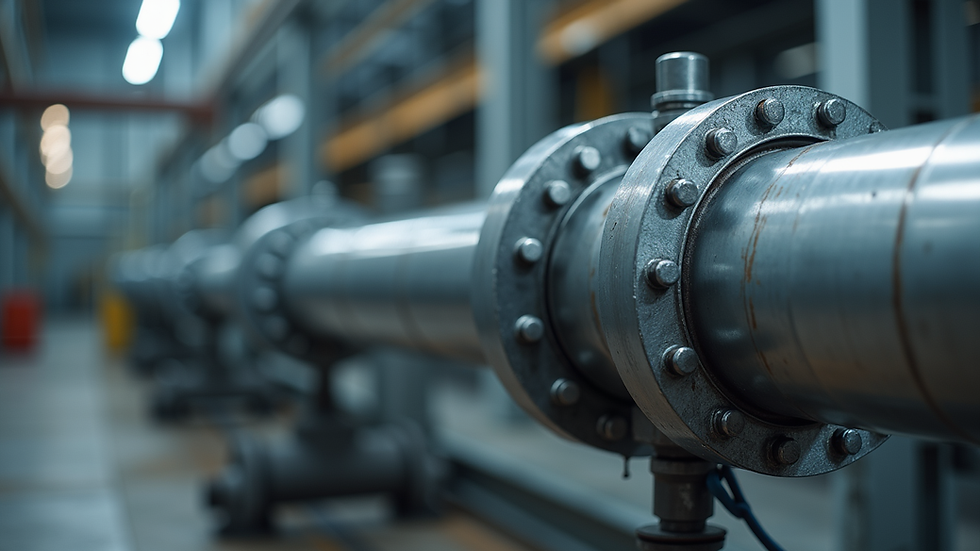
Key Characteristics of Expansion Joint Materials
When selecting expansion joint materials, several factors come into play:
Temperature Resistance: Metal joints can withstand extremely high temperatures, often exceeding 600°C, while fabric joints typically handle lower temperature ranges but excel in thermal shock resistance.
Pressure Handling: Metal joints are suitable for high-pressure systems, whereas fabric joints are better for low to medium pressure applications.
Flexibility and Movement: Fabric joints offer greater flexibility and can accommodate multi-directional movements, including axial, lateral, and angular deflections.
Corrosion Resistance: Fabric joints resist chemical corrosion better than many metals, especially in aggressive environments.
Installation and Maintenance: Fabric joints are lighter and easier to install but may require more frequent inspection and replacement compared to metal joints.
Understanding these characteristics helps in choosing the right expansion joint material for your specific industrial needs.
What are Fabric Expansion Joints?
Fabric expansion joints are flexible connectors made from multiple layers of high-performance fabrics, often combined with elastomers and reinforcements. They are designed to absorb movement and isolate vibration in ducting and piping systems.
Construction and Materials
Typically, fabric joints consist of:
Inner Liners: Made from materials like PTFE or silicone to resist chemical attack and high temperatures.
Reinforcement Layers: Woven fiberglass or aramid fibers provide strength and durability.
Outer Covers: Protect the joint from external damage and environmental factors.
This layered construction allows fabric joints to handle thermal expansion, vibration, and misalignment effectively.
Applications
Fabric expansion joints are widely used in:
Flue gas ducts in power plants
Exhaust systems in petrochemical plants
Ventilation systems in pulp and paper mills
Dust collection systems in mining and sugar processing
Their ability to withstand thermal shock and chemical exposure makes them indispensable in these sectors.
Advantages
Lightweight and easy to install
Excellent flexibility and movement absorption
Resistant to corrosion and chemical attack
Cost-effective compared to metal joints in certain applications
However, fabric joints have limitations in pressure and temperature ratings, so they must be selected carefully.

Metal Expansion Joints: Strength and Durability
Metal expansion joints are fabricated from corrugated metal bellows, often reinforced with external rings or liners. They are engineered to handle extreme conditions where fabric joints may not suffice.
Types of Metal Expansion Joints
Single Bellows: Suitable for moderate movement and pressure.
Multi-Ply Bellows: Provide enhanced flexibility and pressure resistance.
Lined Bellows: Include internal liners for abrasion and corrosion resistance.
Pressure Balanced Joints: Designed to counteract pressure thrust forces.
Applications
Metal joints are preferred in:
High-pressure steam lines in power generation
Chemical processing plants with aggressive fluids
High-temperature exhaust systems in mining and petrochemical industries
Piping systems requiring precise movement control
Benefits
High temperature and pressure tolerance
Long service life with proper maintenance
Ability to handle axial, lateral, and angular movements
Resistance to mechanical wear and fatigue
Metal expansion joints require skilled installation and periodic inspection to ensure reliability.
Choosing Between Fabric and Metal Expansion Joints
Selecting the right expansion joint material depends on your system’s operating conditions and requirements. Here are some practical considerations:
Operating Temperature and Pressure
If your system operates at very high temperatures or pressures, metal joints are usually the safer choice.
Movement Requirements
For systems with complex or multi-directional movements, fabric joints offer superior flexibility.
Chemical Exposure
Fabric joints excel in corrosive environments, especially where acids or alkalis are present.
Installation Constraints
Fabric joints are lighter and easier to install in tight spaces or where weight is a concern.
Maintenance and Lifecycle Costs
Metal joints generally have longer lifespans but may require more complex maintenance.
By carefully evaluating these factors, you can optimize system performance and reduce downtime.
For more detailed information on fabric and metal expansion joints, you can visit the Sizonke Trading website, which offers comprehensive solutions tailored to industrial needs.
Enhancing Industrial Reliability with the Right Expansion Joints
In industries such as petrochemical, pulp and paper, mining, sugar, food, and power generation, the reliability of piping and ducting systems is paramount. Expansion joints play a critical role in maintaining this reliability by absorbing thermal and mechanical stresses.
Choosing the appropriate expansion joint material is not just about meeting technical specifications. It’s about ensuring long-term operational efficiency, safety, and cost-effectiveness. Whether you opt for fabric or metal expansion joints, understanding their properties and applications will help you make decisions that enhance productivity and reduce maintenance challenges.
By integrating the right expansion joint materials into your systems, you contribute to a more resilient and efficient industrial operation, supporting the broader goal of advancing industrial engineering excellence in Southern Africa and beyond.


Comments